
Retail performance reporting often overlooks foot traffic analytics, even though retailers rely heavily on data to evaluate store results. Sales reports capture outcomes but fail to show opportunity. They explain what happened without revealing how many shoppers entered a store or when demand actually occurred.
Foot traffic analytics measures how many shoppers enter a store and when they visit. Without that context, retail teams make decisions based on results rather than shopper behavior. Marketing, staffing, and operations strategies are frequently optimized without understanding the true volume of opportunity behind those outcomes.
Sales, revenue, promotions, and margins dominate most retail performance discussions, making data abundant. These metrics are easy to track and widely understood. However, these metrics rarely explain why results change from one period to the next.
A sales increase may result from higher traffic, improved conversion, or better staffing alignment. A decline may reflect fewer store visits rather than weaker execution. When foot traffic analytics is not treated as a core retail KPI, these differences remain unclear. Traffic data connects store visits to sales performance, conversion rates, and staffing effectiveness, transforming raw metrics into actionable insight.
Sales data shows outcomes, not opportunity. It reveals what happened but hides what could have happened. A store may underperform due to low traffic rather than poor execution. In other cases, strong traffic paired with weak sales points to conversion issues.
Recent industry research shows that sales can increase even when foot traffic grows only modestly. The disconnect of sales and foot traffic data would make it difficult to interpret performance. Staffing misalignment can further suppress results during peak periods, yet sales reports rarely expose these gaps.
Without reliable retail traffic counting, teams often make incorrect assumptions. Consequently, they may overinvest in promotions or reduce labor at the wrong time. Foot traffic data provides the context sales reports lack, supporting more informed and balanced decisions.
Nearly every critical retail performance metric relies on understanding how many shoppers enter a store. Rather than serving as just another data point, foot traffic analytics provides the context needed to evaluate store performance accurately.
Conversion rate, for example, depends entirely on reliable traffic measurement. Conversion is calculated by dividing sales by foot traffic. Without consistent counts, conversion rates lose meaning. As a result, performance comparisons across stores or time periods become misleading.
Additionally, when staffing levels align with customer demand, service quality improves and labor waste declines. Traffic data also helps marketing teams measure whether campaigns actually drive store visits. Retailers can compare promotional lifts across locations with greater confidence. With accurate analytics, teams align around a shared understanding of performance drivers.
Not all traffic counting systems deliver consistent accuracy. This gap creates significant downstream problems like:
If any of these problems occur, conversion metrics become distorted and staffing plans may then be based on unreliable data. Over time, teams lose trust in reporting, affecting IT, marketing, and operations alignment.
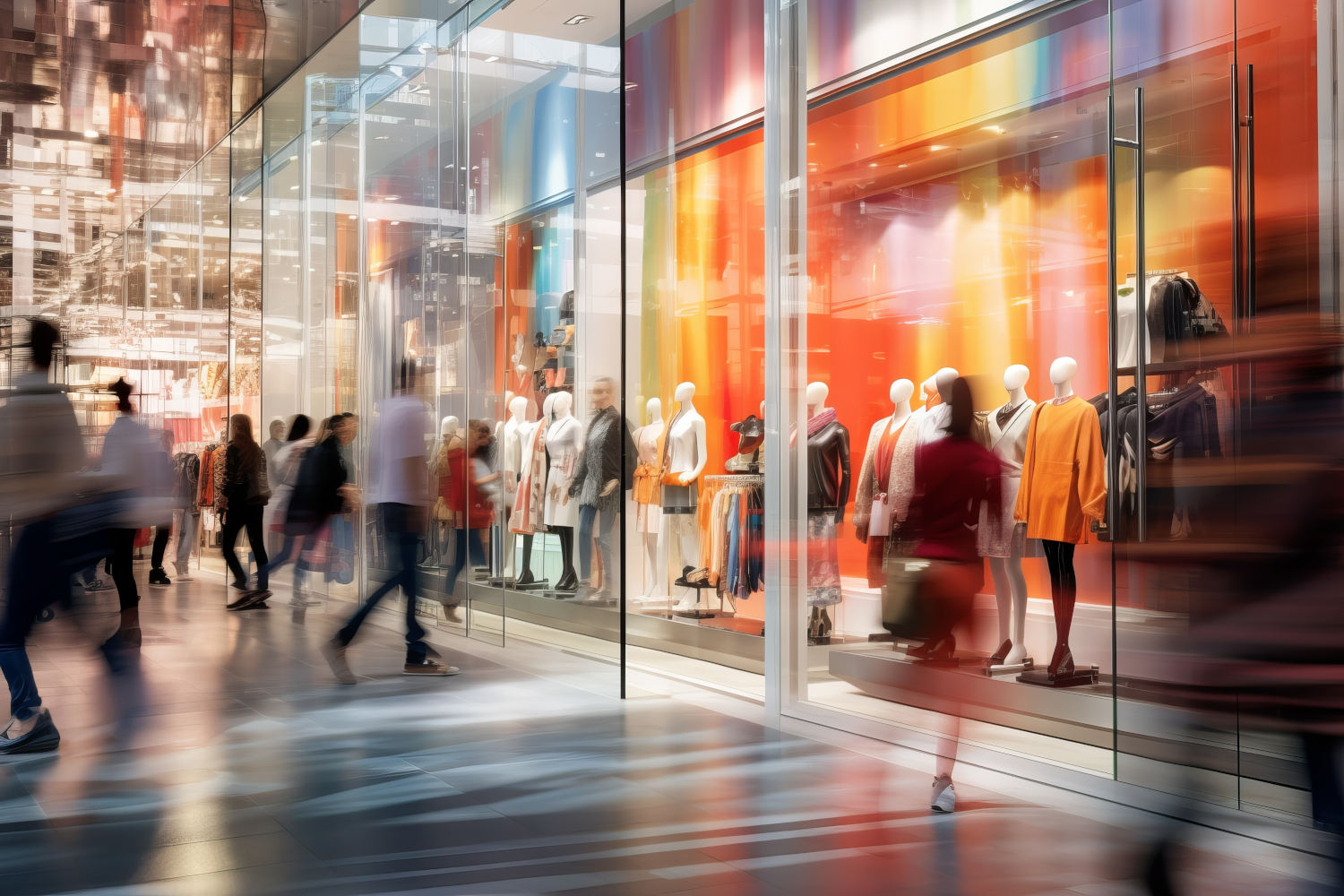
Retailers gain the most value when real-time and historical traffic data are used together. Each serves a distinct purpose in supporting smarter store-level decisions.
Immediate visibility into store activity allows teams to monitor traffic spikes as they occur. Store managers can adjust staffing levels or customer flow without delay. This responsiveness helps retailers meet demand in the moment rather than reacting after issues arise. As a result, service quality improves during peak periods.
Long-term planning depends on understanding broader traffic patterns over time. Trends by day, week, or season become easier to identify and compare. Regional performance analysis also supports more accurate forecasting and budgeting decisions. When combined with real-time data, these insights elevate traffic reporting into a strategic planning tool.
Retailers using accurate foot traffic analytics often uncover performance gaps that were previously difficult to identify. Traffic data can reveal strong visitation paired with weak conversion or highlight staffing mismatches during peak hours. These insights provide clarity into where operational issues occur rather than relying on surface-level results.
With this visibility, teams can make targeted improvements instead of broad assumptions. Store operations can then become more efficient and performance decisions more precise.
Today’s retailers demand data that is both reliable and easy to access. Accurate sensing technology forms the foundation for meaningful analysis, while scalable Software as a Service (SaaS) reporting ensures consistent visibility across locations. Together, these capabilities allow teams to work from a shared source of truth.
Ultimately, the value lies in outcomes rather than technical specifications. Better data leads to clearer insight and stronger decisions.
Foot traffic analytics provides essential context behind sales, conversion, and staffing performance. Retailers that treat foot traffic as a core KPI make smarter store-level decisions. Optimization starts with accurate measurement, and you cannot optimize what you do not accurately measure.