Table of Contents
Technology doesn’t stand still, and people counting systems are no different.
Many facilities continue to rely on traffic detection equipment that was the right solution when it was originally installed. But technology has advanced, providing new options for improving accuracy, consistency, reliability, and long-term performance.
For customers using older beam systems, thermal sensors, or OmniCounters, now may be the right time to consider upgrading to overhead stereoscopic image-processing sensors.
The biggest reason? You don’t have to wait for your existing equipment to fail to benefit from better technology.
When “Good Enough” Technology Reaches the End of the Road
For years, thermal sensors, OmniCounters, and beam-based detection systems have played an important role in traffic detection applications. But some of these technologies are now reaching the end of their serviceable life. In many cases, they can no longer be repaired or supported, making continued reliance on aging equipment increasingly difficult.
That doesn’t necessarily mean a customer needs to replace a system immediately. But it does mean it’s worth looking at the alternatives before an equipment problem forces the decision.
An upgrade made proactively gives facilities the opportunity to choose a better solution on their own timeline rather than being forced into an emergency replacement.
A New Generation of Detection Technology
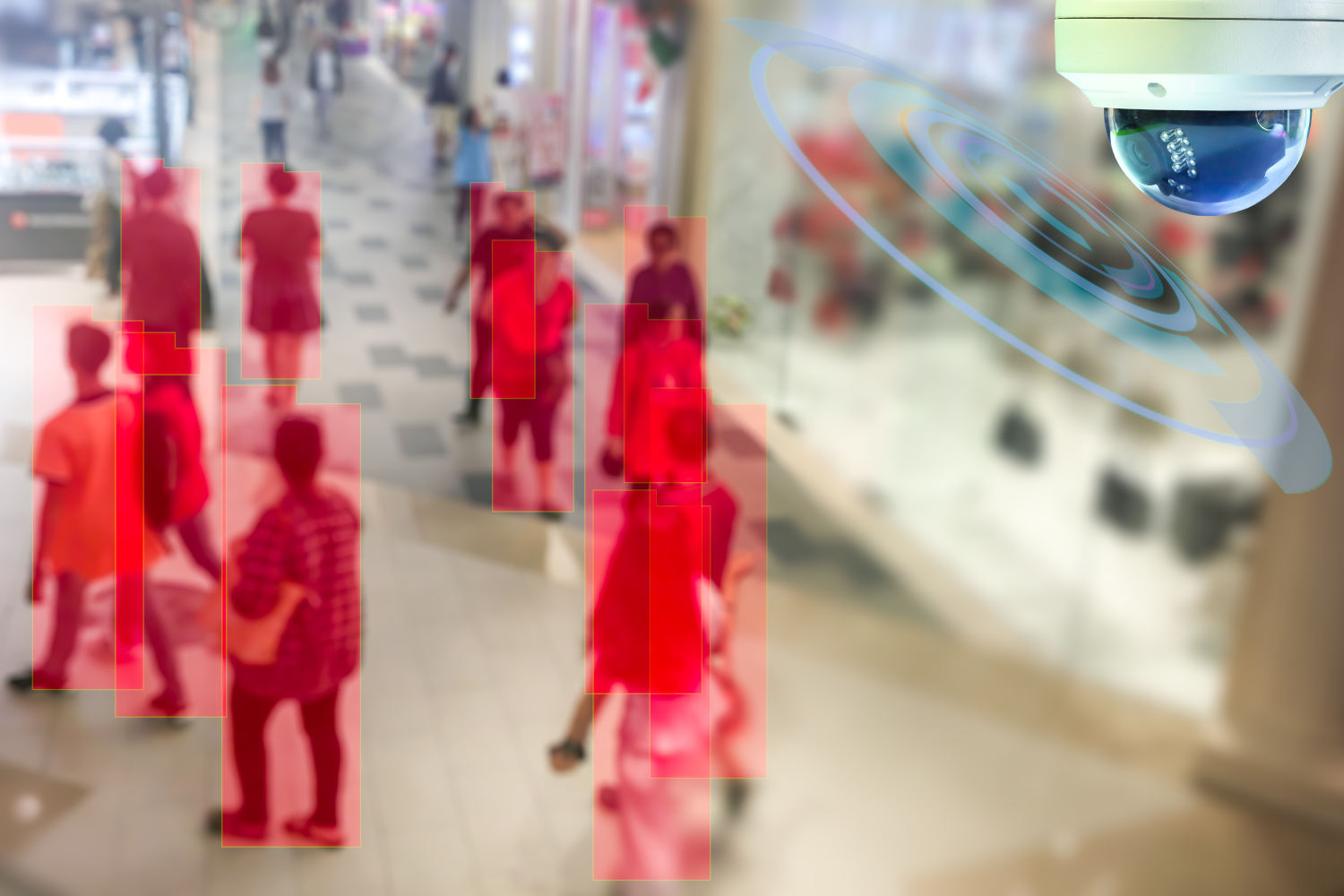
The technology behind people counting has come a long way. Today’s overhead image-processing sensors don’t simply detect that something has crossed a detection line, they use sophisticated image processing to create a three-dimensional view of the detection area. The system can then identify and track people as they move through the space.
That added intelligence gives modern image-processing sensors many advantages over older detection technologies.
More Accurate, More Consistent Detection
Stereoscopic imaging allows the sensor to determine an object’s position and movement within its field of view. 3D technology can distinguish between people and inanimate objects and can differentiate adults and children, helping produce more precise traffic data.
The technology is also designed to handle the realities of busy environments. Image-processing systems can filter objects such as carts and strollers from people counts, helping ensure that the data represents the traffic that actually matters to your operation.
Designed for Changing Conditions
Older sensing technologies can be affected by changes in the environment. Image-processing sensors are designed to automatically adjust to environmental changes, including variations in temperature and lighting. That can be especially valuable in facilities where conditions aren’t always predictable.
More Coverage and More Flexibility
Modern overhead sensors can also provide coverage for wider entrances and larger spaces, with different lens options available for different applications. Depending on the system, they can provide directional counting, customizable count zones, and the ability to distinguish specific types of movement.
For customers considering an upgrade, the difference isn’t simply replacing an old sensor with a newer one. It’s an opportunity to move from a basic detection technology to a smarter, more capable system that can deliver more useful and dependable traffic data.
Put Your Sensors Out of Harm’s Way
One of the biggest advantages of today’s people counting systems is where the sensors are installed.
Permanently mounted overhead, the sensors are positioned above the activity taking place below. This keeps them out of the way of everyday traffic and helps protect them from accidental contact, interference, and vandalism.
For busy facilities, that’s an important consideration. A people counter needs to consistently capture movement without becoming something that people can bump, move, or damage.
An overhead installation also helps minimize the maintenance concerns associated with equipment installed in more accessible locations.
Better Technology Is Now More Affordable
One of the biggest reasons to reconsider an upgrade today is cost.
Newer technology doesn’t always mean a higher price. As stereoscopic sensing technology has become more widely adopted, the cost per sensor has come down.
That gives facilities an opportunity to move from older people-counting systems to a more advanced solution without the price premium that might once have been expected from newer technology.
For customers who may have previously decided to continue using existing equipment because an upgrade didn’t seem necessary, the economics have changed. Today, upgrading can provide an opportunity to improve the accuracy, consistency, and reliability of your people-counting system while making a practical investment in its future.
Why Upgrade If Your Existing Equipment Still Works?
It’s a fair question.
If your current people-counting solution is still operating, why replace it?
The answer is that an upgrade doesn’t have to be about fixing something that’s broken. It can be about taking advantage of technology that wasn’t available, or wasn’t as affordable, when the original system was installed.
Customers may consider an upgrade because they want:
Better accuracy.
Modern stereoscopic image-processing technology can provide more precise people counting, helping facilities have greater confidence in the data their system collects.
Greater consistency.
More advanced sensing technology can provide dependable counting performance across the many different situations that occur in busy facilities.
No maintenance.
Overhead-mounted sensors are positioned out of the way, helping eliminate the potential for accidental damage, interference, and other issues that can affect more accessible equipment.
A current, supportable solution.
For customers using end of life (EOL) equipment, upgrading provides a path away from technology that may no longer be repairable or supported.
Better value.
With the cost of stereoscopic sensors coming down, the benefits of upgrading can make more sense than continuing to invest in aging technology.
Don’t Wait for a Failure to Force the Decision
A large challenge with aging technology is that customers often don’t think about replacing it until there’s a problem.
When an EOL sensor stops working, the question may no longer be “Should we upgrade?” It may become “How quickly can we replace this?”
Planning an upgrade before that happens gives you more flexibility.
You can evaluate the technology, determine the right configuration for your facility, plan the installation, and budget for the upgrade without the pressure of an unexpected equipment failure.
And because today’s sensors are more affordable than they once were, an upgrade doesn’t have to be viewed simply as replacing old equipment. It’s an opportunity to improve the way your facility counts people.
Ready to See What an Upgrade Could Do for Your System?
If your facility is still using thermal sensors, OmniCounters, beam systems, or other legacy people-counting technology, now may be the right time to take a closer look at what’s available.
Technology has changed. Modern stereoscopic image-processing sensors can provide greater accuracy and consistency, while overhead installation keeps the equipment out of the way and can reduce maintenance concerns. And as the technology has become more widely adopted, the cost of these sensors has come down.
You don’t have to wait for your existing people-counting system to fail before you start planning for what’s next.